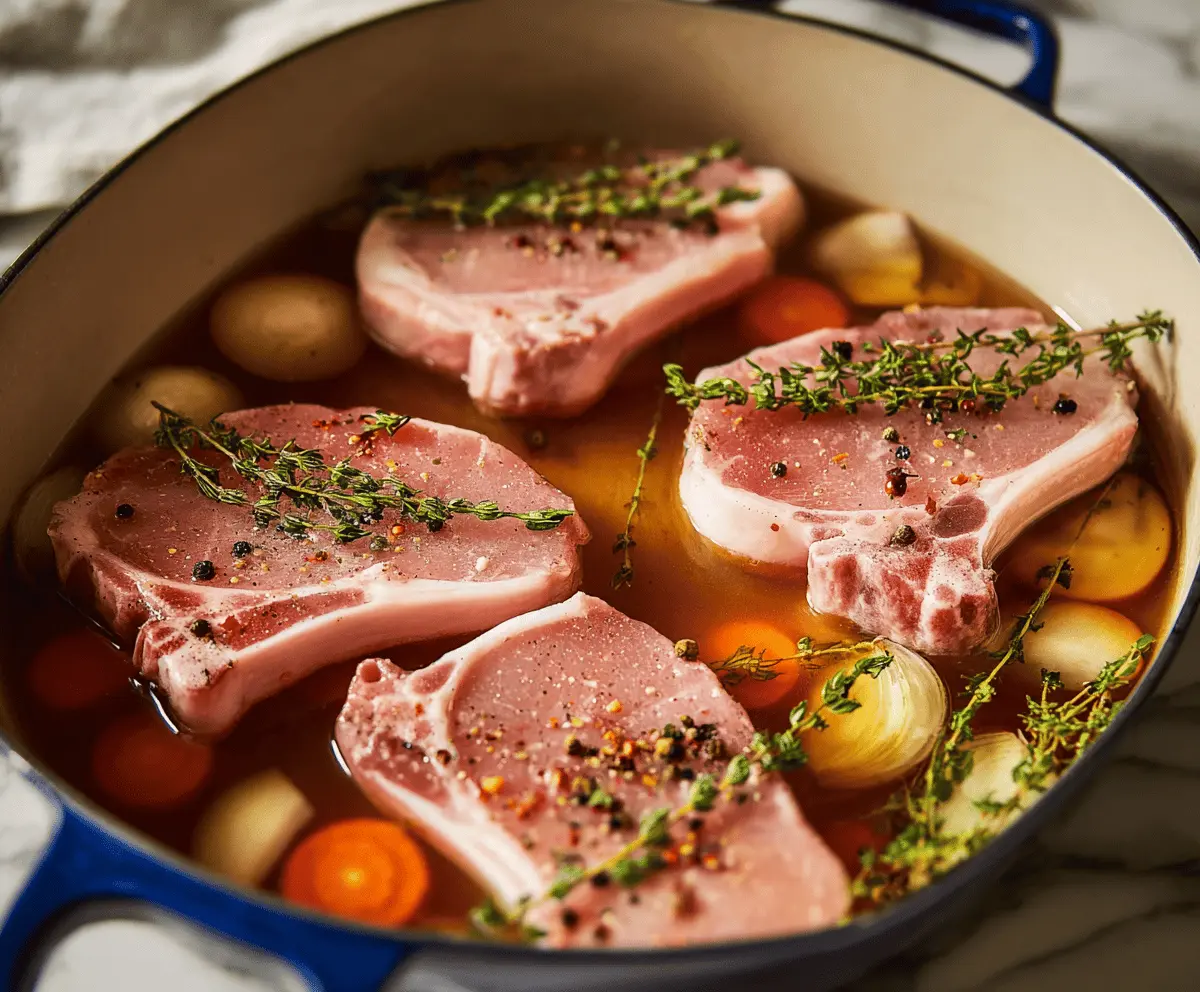
Master the Perfect Pork Chop Brine: Juicy & Tender Every Time
Tired of dry, tough pork chops? You're not alone. For too long, the humble pork chop has suffered from a reputation for being bland and easily overcooked. But what if we told you there was a simple, magical solution to transform them into succulent, flavorful masterpieces every single time? Enter the world of brining. Mastering a great
pork chop brine recipe is the secret weapon every home cook needs to unlock the full potential of this versatile cut of meat.
Brining is more than just soaking meat in saltwater; it's a culinary technique that ensures your pork chops emerge from the pan or grill bursting with moisture and infused with delicious flavor. Say goodbye to guesswork and hello to consistently juicy, tender pork that will have everyone asking for your secret.
Why Brine Your Pork Chops? The Science of Succulence
Brining might sound like a chef's trick, but it's rooted in basic food science. When you submerge pork chops in a carefully balanced solution of water, salt, and often sugar and aromatics, two primary things happen:
1.
Osmosis & Moisture Retention: The salt in the brine draws moisture from the pork chop's cells initially. However, as the salt penetrates the meat, it alters the protein structure, allowing the cells to absorb more water *back in* than they lost, along with the dissolved salt and other flavors. This "extra" moisture remains during cooking, resulting in significantly juicier chops.
2.
Denaturing Proteins & Tenderness: The salt also works to gently denature the proteins in the pork. This loosens their tightly wound structure, making the meat more tender even before it hits the heat. This is particularly beneficial for leaner cuts like pork chops, which can easily become tough when cooked.
3.
Flavor Infusion: Beyond just moisture, the brine acts as a conduit for flavor. The salt itself enhances the natural taste of the pork, while any added herbs, spices, or sweeteners permeate the meat, contributing layers of complexity that cooking alone can't achieve.
Modern pork is typically much leaner than it used to be, which makes it prone to drying out. Brining is an essential step to combat this leanness, ensuring a consistently delicious and moist result that will impress even the most discerning palates.
Crafting the Ultimate Pork Chop Brine Recipe: Core Ingredients
A great
pork chop brine recipe starts with a fundamental understanding of its key components. While the basic formula is simple, the magic lies in the ratios and the intentional selection of flavor boosters.
The Essential Foundation: Water & Salt
*
Water: This is the universal solvent for your brine. While plain cold water works perfectly, don't hesitate to experiment for added depth. Low-sodium chicken or vegetable broth can lend a savory base. For a distinct flavor profile, consider apple juice, apple cider, or even white wine – these additions pair beautifully with pork. Just be mindful of their sugar content when adjusting your brown sugar.
*
Kosher Salt: We highly recommend kosher salt for brining. Its larger crystals dissolve more slowly, making it easier to control salinity, and it's free of anti-caking agents that can sometimes be found in table salt. If you must substitute with fine sea salt or table salt, reduce the quantity by about 25-30% as they are denser and saltier by volume. Always ensure your salt is completely dissolved for even distribution.
The Sweet Balance: Sugar & Beyond
*
Brown Sugar: This isn't just for sweetness; brown sugar plays several crucial roles in a brine. It helps balance the saltiness, contributes to beautiful caramelization and browning on your chops during cooking, and adds a subtle, rich flavor.
*
Substitutions: If brown sugar isn't your preference, honey or maple syrup are excellent alternatives, each imparting its unique sweetness and aroma. For those looking to reduce sugar, you can either omit it entirely (though your chops might be slightly less tender and browned) or use a brown sugar substitute, adjusting to taste.
Flavor Infusion: Aromatics & Spices
This is where your
pork chop brine recipe truly comes alive! The right aromatics can transform a simple brine into an unforgettable flavor bath.
*
Fresh Herbs: Thyme, rosemary, and sage are classic choices that impart an earthy, aromatic bouquet. Their robust flavors stand up well to pork. If fresh herbs aren't available, you can use dried herbs, but remember they are more potent. A good rule of thumb is to use half the amount of dried herbs compared to fresh.
*
Black Peppercorns and Crushed Red Pepper Flakes: A handful of black peppercorns adds a subtle warmth and mild spice. Crushed red pepper flakes, on the other hand, deliver a noticeable kick. Adjust the quantity to your preferred spice level, or omit them if you prefer a milder taste.
*
Beyond the Basics: Don't limit yourself! Garlic cloves (crushed or sliced), bay leaves, and even orange or lemon peels can add fantastic dimensions. For a different twist, try a pinch of Italian seasoning or a smoky paprika. For more advanced tips on customizing your brine, dive into our guide on
Elevate Your Pork Chops: The Ultimate Guide to Brine Ingredients & Swaps.
Step-by-Step Guide to Brining Pork Chops for Perfection
Ready to elevate your pork chops? Here's how to execute a flawless brine every time.
Gathering Your Arsenal
Before you begin, gather your ingredients and equipment. For a basic but incredibly effective pork chop brine, you'll need:
* 4 cups cold water (or chosen liquid base)
* 1/4 cup kosher salt
* 1/4 cup brown sugar
* 1 teaspoon black peppercorns
* 1 teaspoon crushed red pepper flakes (optional, adjust to taste)
* 3-4 sprigs fresh thyme
* 2-3 sprigs fresh rosemary
* 1-2 sprigs fresh sage (optional)
* 4 pork chops (ideally 1 to 1.5 inches thick)
* A large bowl or food-safe container
* A whisk or spoon
This active prep time for the brine is incredibly quick, taking about 10 minutes.
The Brining Ritual: From Prep to Soak
1.
Prepare the Brine Base: In your large bowl or container, combine the 4 cups of cold water, 1/4 cup of kosher salt, and 1/4 cup of brown sugar. Whisk vigorously until the salt and sugar are *completely* dissolved. This is crucial for the brine to work its magic evenly. Starting with cold water helps keep the pork chops in a safe temperature zone.
2.
Add the Flavor Boosters: Once the base is dissolved, toss in your chosen aromatics: the black peppercorns, crushed red pepper flakes, and fresh herb sprigs (thyme, rosemary, sage). Give it another quick stir to distribute them.
3.
Submerge the Pork Chops: Carefully place your pork chops into the brine. It's essential that the chops are fully submerged. If they float, place a small plate or a food-safe weight on top to keep them under the liquid. This ensures even brining and maximum flavor infusion.
4.
Chill Time: Cover the container and place it in the refrigerator. This is a non-negotiable step to keep the pork chops at a safe temperature while brining.
The Golden Rule: Timing is Everything
Brining duration is critical. Too little time, and you won't get the full benefit. Too much, and your pork chops can become excessively salty or develop a mealy, mushy texture.
*
Optimal Brining Time: For most standard pork chops (1 to 1.5 inches thick), 1 to 4 hours is ideal. Thinner chops (around 1/2 inch) may only need 30 minutes to an hour. Thicker chops (over 1.5 inches) can handle up to 4 hours, but rarely more. The goal is to allow the brine to penetrate without oversaturating the meat. For a deeper dive into timing and techniques, check out
Secrets to Juicy Pork Chops: Mastering the Brining Process for Flavor.
*
Consequences of Over-Brining: Brining for too long can result in pork chops that are unpleasantly salty and can break down the protein structure too much, leading to a strange, almost "hammy" or spongy texture. Stick to the recommended times for the best results.
Post-Brine Care: Rinse & Pat Dry
Once the brining time is complete, there are two crucial steps before cooking:
1.
Rinse Thoroughly: Remove the pork chops from the brine and rinse them under cold running water for about 30-60 seconds. This washes away any excess surface salt, preventing your cooked chops from being overly salty.
2.
Pat Dry: Using paper towels, pat the pork chops *very* dry on all sides. This step is often overlooked but is incredibly important. A dry surface is essential for achieving a beautiful, golden-brown crust when searing or grilling. Moisture on the surface will steam the meat instead of searing it.
Pro Tips for Next-Level Brined Pork Chops
*
Start with Quality: While brining can improve any pork chop, starting with good quality, ethically sourced chops will always yield superior results. Look for chops with good marbling and consistent thickness.
*
Don't Overcook! Brining significantly reduces the risk of dry pork chops, but it's not an excuse to overcook them. Pork chops are best when cooked to an internal temperature of 145°F (63°C), followed by a 3-5 minute rest. This will result in a slightly pink center, which is perfectly safe and incredibly juicy. A meat thermometer is your best friend here.
*
Experiment with Flavors: Once you've mastered the basic
pork chop brine recipe, don't be afraid to get creative. Add citrus slices, different types of peppercorns, dried chilies, or even a splash of soy sauce for an umami kick.
*
Consider Bone-In vs. Boneless: Bone-in pork chops often stay juicier during cooking due to the bone's insulation. Brining benefits both, but bone-in chops might require a slightly longer cooking time.
Conclusion
Brining your pork chops is a game-changer. It's a simple, low-effort technique that yields consistently spectacular results, transforming ordinary pork into extraordinary, juicy, and tender culinary delights. By understanding the science, mastering the core ingredients, and following a few key steps, you can confidently prepare pork chops that are infused with flavor and perfectly moist every time. So, gather your ingredients, follow this comprehensive
pork chop brine recipe, and get ready to impress your family and friends with pork chops that are truly restaurant-quality. Happy cooking!